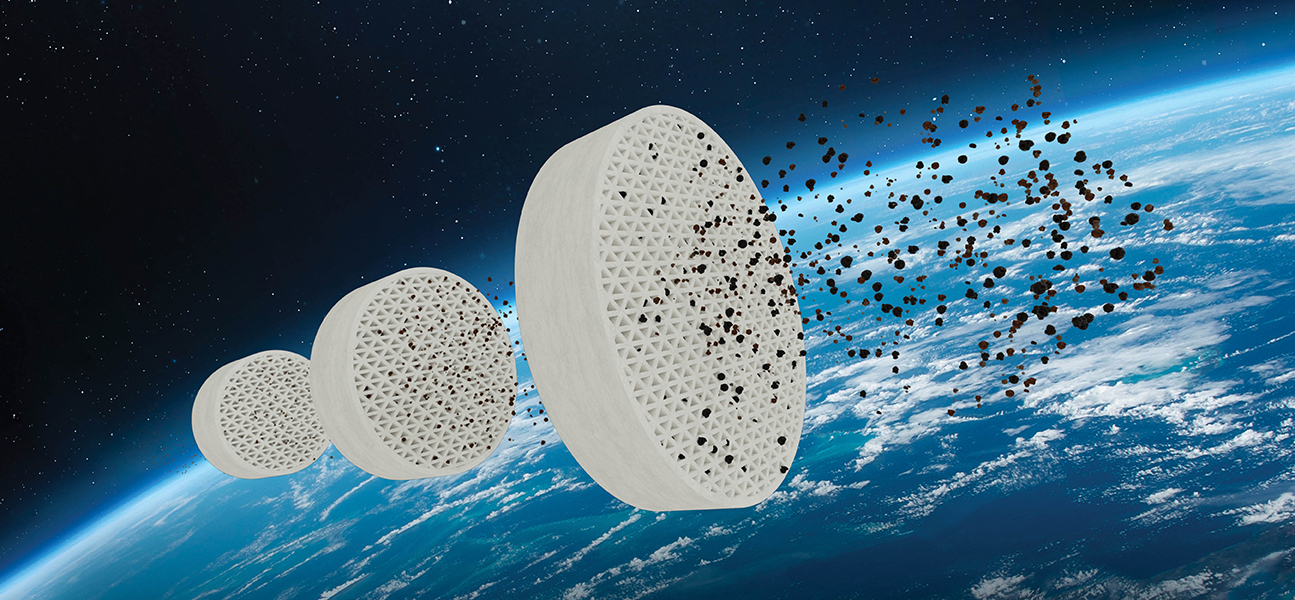
Leading Global Supplier
UNICAT are revolutionising Catalyst technology to deliver improved customer financial and environmental performance. We focus on listening and learning about customer aims and problems creating and shaping our pipeline of innovation to create customer value.
Since our inception in 2000, the driving force behind our companies formation are four core values, missing from the traditional larger suppliers in the market.
- Innovation
- Flexible Manufacturing
- Supply Chain Stability
- Broad Product Range
Explore our product areas
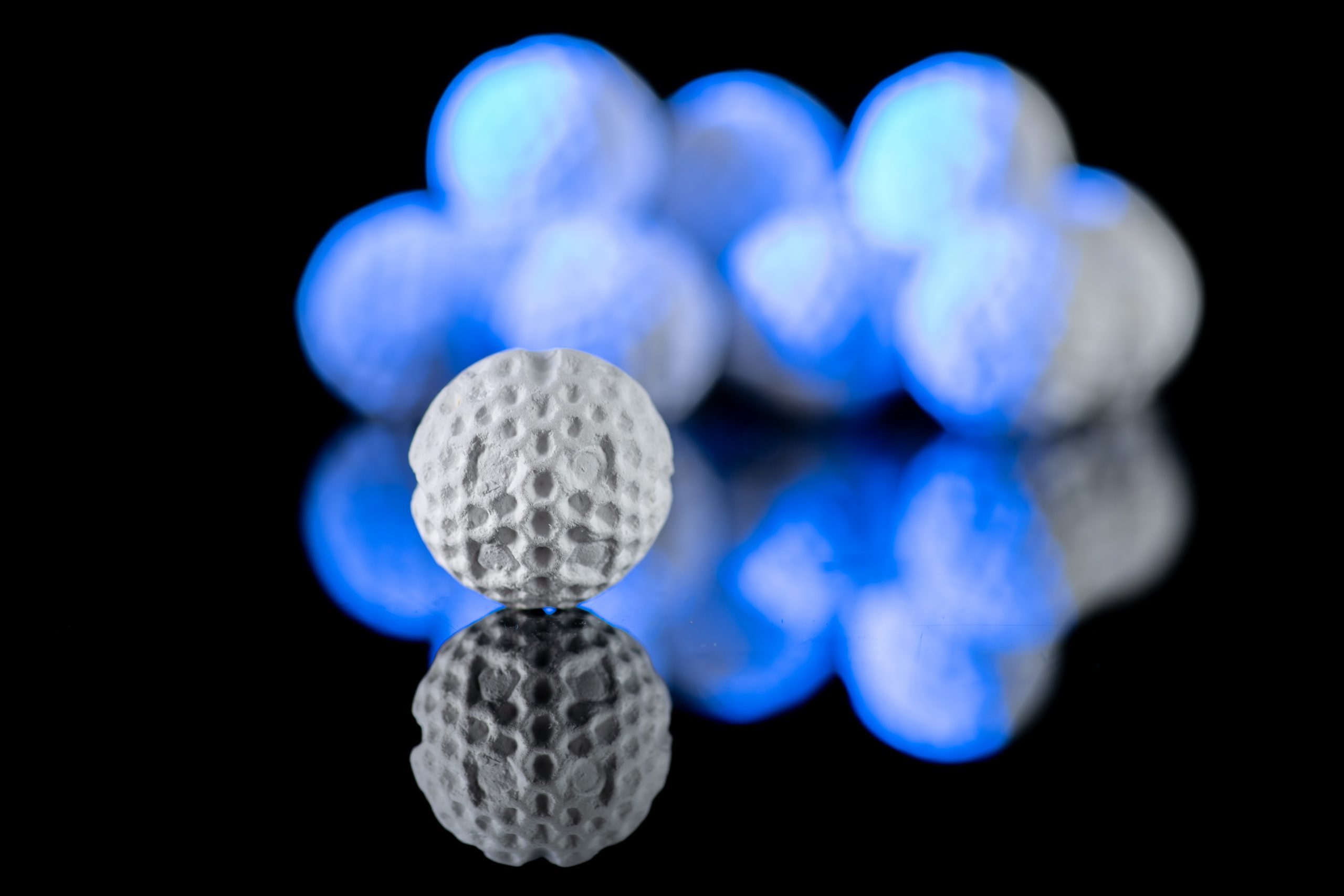
Magcat®
We design our own innovative catalyst carrier, utiliising our strength of 40 years experience in the Ceramics industry.
PSA
Pressure Swing Adsorption (PSA) is a gas separation technique in hydrogen purification,
air separation and/or gas drying systems.
air separation and/or gas drying systems.
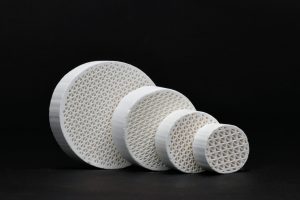
AFS
UNICAT AFS (Advanced Filtration System) represents the most advanced and comprehensive line of catalyst bed grading products in the world today.

Purification
For removal of sulfur, chloride species and other impurities
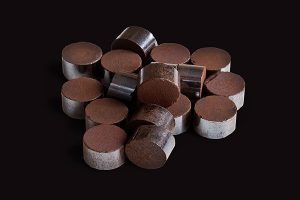
Syngas
Products for modern syngas plants such as hydrogen, methanol, ammonia, tawn gas and coal gasification.